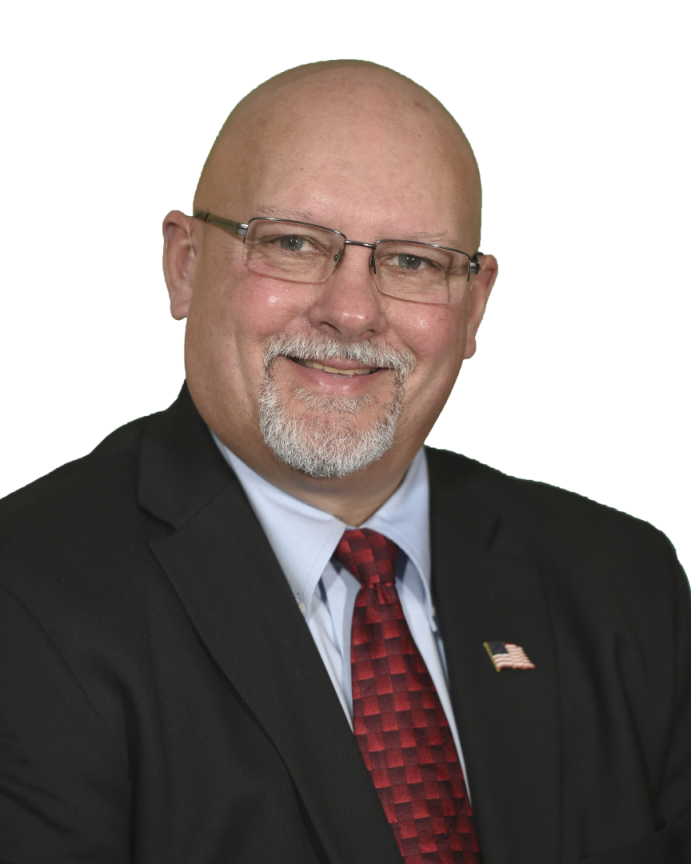
Assemblyman Jeff Gallahan and School Superintendents Call for Repeal of Costly All-Electric School Bus Mandate
Assemblyman Jeff Gallahan (R,C-Manchester) is calling for the repeal of New York State’s all-electric school bus mandate, warning that the policy will place an unsustainable financial burden on school districts and local taxpayers while raising serious questions about infrastructure and safety.
Under the current mandate, school districts will be required to transition to electric school buses in the coming years. However, the cost difference between traditional diesel buses and electric buses is significant. While a typical diesel bus costs between $100,000 and $150,000, electric school buses can cost between $300,000 and $450,000 per vehicle, excluding additional expenses for charging infrastructure, facility upgrades and electrical system improvements.
School district leaders across New York have raised concerns that complying with the mandate could significantly increase costs, potentially leading to higher property taxes and forcing difficult decisions that could affect sports programs, extracurricular activities, music programs and even teaching positions.
“This mandate places an unsustainable burden on our schools and local taxpayers,” said Gallahan. “When the state forces districts into costly transitions without providing the necessary funding, it’s students, seniors and working families who ultimately pay the price.”
Gallahan also raised concerns about the impact electric buses could have on local infrastructure. Electric school buses can weigh 25% to 30% more than traditional diesel buses, placing additional stress on local roads and bridges “Many of our local roads and bridges are already in need of repair,” Gallahan said. “Adding significantly heavier vehicles to our transportation fleets will only accelerate wear and tear on infrastructure that taxpayers are already struggling to maintain.”
In addition to infrastructure concerns, Gallahan pointed to unanswered questions surrounding the long-term handling and storage of electric bus batteries. Large lithium-ion batteries must eventually be replaced, raising questions about where expired batteries will be disposed of and how surplus or replacement batteries will be safely stored.
“There are still serious questions about battery disposal, long-term storage and the potential safety risks associated with large-scale battery systems,” Gallahan added. “Communities deserve clear answers before being forced into a costly statewide mandate.”
Gallahan also noted the practical challenges electric buses could pose for rural school districts, where long distances and back-to-back bus routes are common. In many districts, concerns remain that current battery capacity may not reliably support multiple consecutive routes each day without extended charging time, creating operational challenges for transportation departments.
Otselic Valley Central School District Superintendent Brian Collier said, "We support cleaner transportation, but the electric bus mandate presents significant challenges for Otselic Valley Central School. The buses are considerably more expensive, installing the necessary charging infrastructure is costly and many of our rural roads and bridges may not safely support the added weight over time. Combined with uncertainties about battery performance and long-term student safety, these issues must be addressed before the mandate can be successfully implemented."
President of the Wayne-Finger Lakes BOCES Legislative Committee and Gananda Central School District Superintendent Shawn Van Scoy said, “Replacing all 29 buses in Gananda with electric models is projected to cost approximately $13.5 million over the next eight years, which equates to $1,687,500 per year. Of that amount, Gananda would be responsible for roughly $337,000 annually. However, our tax-levy limit permits only a $264,048 increase. This gap forces an untenable choice between maintaining essential educational programs and meeting the electric bus mandate.”
Van Scoy added, “I support the goal of transitioning to cleaner, zero‑emission transportation. However, that transition cannot come at the cost of the very educational programs these buses exist to serve.”
Bloomfield Central School District Superintendent Andy Doell said, “At the end of the day, our focus must remain on students and the quality of education they receive in the classroom. It is hard to support a mandate that focuses on how kids get to and from school at the expense of the experiences and education our students deserve while they are in school. If this mandate results in a loss of academic programming, student supports, arts, athletics, career and technical education or advanced coursework, then we have lost sight of our core mission.”
Doell concluded by saying, “We urge policymakers to reevaluate this mandate. At the very least, we urge policymakers to reconsider the structure and timeline of this mandate, provide genuine flexibility for districts and ensure that any transition protects both taxpayers and the educational opportunities our students rely on and deserve every day."
“Rural districts have unique needs,” Gallahan said. “We cannot adopt policies that ignore the realities on the ground. Each district should be able to make decisions based on what works best for their students and communities, not be forced into a one-size-fits-all mandate from Albany.”
Gallahan reaffirmed his commitment to working alongside school leaders and his legislative colleagues to repeal the mandate and to protect local school districts and taxpayers.