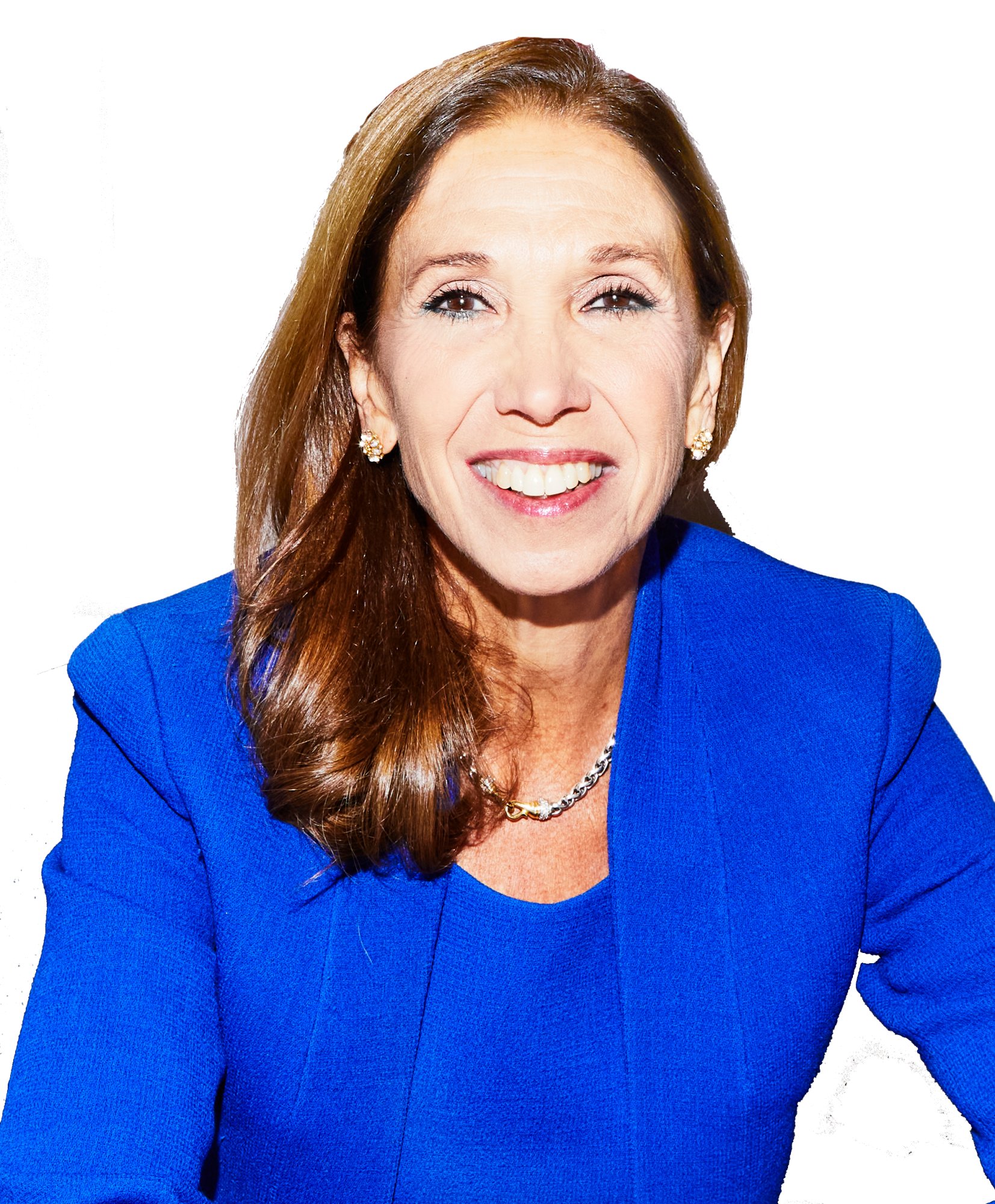
Assemblywoman Amy Paulin’s Bills Expanding Access to Dental Care Pass in the State Legislature
The three bills broaden the role of dental hygienists, open pathways to a dentist license, and expand Medicaid coverage of dental procedures
Albany, NY – Assemblywoman Amy Paulin (D–Westchester) has advanced three key bills in the legislature (A.98, A.1931, and A.10753) to improve access to dental care for New Yorkers. The bills would strengthen the state’s dental workforce, expand the dental services available to patients under Medicaid, and remove outdated barriers to care, ensuring more New Yorkers can get the treatment they need.
Strengthening the Dental Workforce
A.10753 allows dentists who have completed their first year of a post-doctoral specialty program to apply for a license after passing the American Board of Dental Examiners (ADEX). Current law requires post-doctoral residents to complete their entire program before applying for a license, effectively delaying entry into the workforce for dentists who are already fully qualified to practice.
These unnecessary licensing delays can last months or even years, preventing new dentists from beginning their careers, gaining valuable clinical experience, and earning an income while they continue advanced training. As a result, many accrue additional debt and face competitive disadvantages in the job market. The delays also prevent dentists from obtaining Medicaid credentialing and serving patients in underserved communities as soon as they are qualified to do so.
By allowing qualified dentists to become licensed while pursuing specialty training, this bill would also encourage graduates to remain in New York rather than seek opportunities in states with more practical licensing policies. “With New York already facing a shortage of dental specialists, particularly in underservedcommunities, this bill will help retain dental school graduates, reduce barriers to entering the workforce, and allow dentists to begin serving patients as soon as they are qualified to practice,” said Paulin.
"I am proud that S.8401 has passed both the Senate and Assembly and is now headed to the Governor's desk. This legislation modernizes New York's dental licensing process, helping strengthen our healthcare workforce while maintaining the high standards that protect patients. I am grateful to Assemblymember Amy Paulin for her partnership and hard work in advancing this bill through the Assembly. Together, we worked to create more pathways for qualified dental professionals to serve communities across New York. I encourage Governor Hochul to sign S.8401 into law so we can expand access to oral healthcare and support the future of New York's dental workforce," said Senate bill sponsor Luis R. Sepúlveda.
“The New York State Dental Association thanks Assemblywoman Amy Paulin for her leadership and unwavering support of A.10753. This important legislation strengthens New York's dental licensure process, eases the financial burden on new dentists and expands opportunities to serve patients in communities with limited access to oral health care. Assemblywoman Paulin's commitment was instrumental in advancing this common-sense reform, and we are grateful for her partnership,” said Michael Herrmann, Executive Director, New York State Dental Association.
Removing Barriers to Care
A.98 allows certified dental hygienists to administer block anesthesia under the supervision of a licensed dentist. It further establishes a new Dental Hygiene Block Anesthesia Certificate and requires dental hygienists to complete additional training, with in-office supervision and an evaluation from a licensed dentist, before being permitted to administer block anesthesia. Currently, New York is one of only four states to permit dental hygienists to administer nitrous oxide and local infiltration anesthesia, but not block anesthesia.
Block anesthesia, commonly referred to as a "nerve block," is a routine and widely used technique that numbs a specific area of the mouth by temporarily blocking pain signals. It is commonly used during dental procedures to ensure patient comfort.
In our state, particularly in rural and economically disadvantaged areas, it can be difficult or impossible for New Yorkers to access necessary dental care due to high demand and a shortage of available providers. This legislation was developed in collaboration with New York’s dental community to safely improve efficiency in dental offices. By allowing qualified dental hygienists to perform this routine procedure, dentists can devote more of their time to complex procedures while still giving patients high-quality care.
"This legislation brings New York in line with the overwhelming majority of states," said Assemblywoman Paulin. "It allows highly trained and certified dental hygienists to perform a routine procedure under a dentist's supervision, helping practices work more efficiently while allowing dentists to focus on more complex treatments. Most importantly, it will improve access to care for patients without compromising safety."
Senate bill sponsor, State Senator Peter Harckham, said, “New York’s current restriction limiting the administration of block anesthesia to dentists is outdated and unnecessarily burdensome. Allowing certified hygienists to perform this procedure will reduce workflow inefficiencies and enable dentists to devote more time to patient care. I thank my colleague Assembly Member Paulin for her leadership in advancing this bill through the Assembly, and I look forward to seeing it signed into law.”
“The New York State Dental Association (NYSDA) applauds Assemblywoman Amy Paulin for advancing this forward-thinking legislation. Allowing properly trained dental hygienists to administer local block anesthesia under the direct supervision of a dentist improves practice efficiency while maintaining strong patient safety standards. This measure modernizes the workforce and helps expand access to care across New York State,” said Michael Herrmann, Executive Director, New York State Dental Association.
"When hygienists can work at the full extent of their training, practices can serve more patients more efficiently. For communities that already face barriers to dental care, that matters,” said Kate Breslin, President and CEO, Schuyler Center for Analysis and Advocacy.
Expanding Services Available to Medicaid Recipients
A 2023 class action settlement, Ciaramella v. McDonald, expanded Medicaid coverage to crowns and root canals when medically necessary, with the specific goal of preserving patients’ natural teeth whenever clinically appropriate, and has streamlined approval for dentures and implants. Prior to the lawsuit, when a patient presented with an infected tooth, Medicaid would typically cover its extraction rather than the root canal and crown needed to save it. This forced many low-income New Yorkers to lose teeth and go without implants or dentures, which had negative physical and mental consequences.
The stipulation agreed upon in 2023, however, only lasts for four years from the date of the agreement. After that, without any further legislative action, New York Medicaid would return to its outdated dental coverage rules. A.1931 codifies the Medicaid dental coverage expansion, ensuring that vital dental care is still accessible to New York Medicaid recipients.
“We know that poor dental health doesn't stay confined to the mouth,” said Assemblywoman Paulin. “It leads to poorer overall health, affecting everything from heart disease to a person's ability to eat, work, and live with dignity. The Ciaramella settlement was a critical step forward, but it's set to expire. This bill ensures these protections become permanent, so that no New Yorker has to choose between their oral health and their financial wellbeing.”
Senate bill sponsor State Senator Cordell Cleare said, “As Chair of the Senate Aging Committee I believe that oral health care is a human right, especially as we age. This legislation will permanently expand the Medicaid dental benefit in New York State to include coverage of root canals, crowns, replacement dentures, and dental implants. These are rights that actually had to be sued for and it is high time we enshrine them in statute.”
Belkys Garcia, Staff Attorney, Civil Law Reform Unit, The Legal Aid Society, said, “The Legal Aid Society applauds Assemblywoman Amy Paulin and the New York State Legislature for passing A.1931, a critical step toward ensuring that Medicaid recipients can access the comprehensive dental care they need. For years, our clients have faced unnecessary pain, infection, and tooth loss because essential treatments such as crowns, root canals, dentures, and implants were not adequately covered. This legislation builds on hard-fought progress to expand access to medically necessary dental care and helps ensure that those protections are reflected in state law. Oral health is an essential component of overall health, and no New Yorker should be denied needed treatment because of their income. We thank Assemblywoman Paulin for her leadership and urge Governor Hochul to sign this bill into law.”
Rose Duhan, President and CEO, CHCANYS, said, “Across New York State, community health centers are sometimes the only place a Medicaid patient can go for dental treatment. Untreated dental disease takes a serious toll on a person's broader health, their ability to work, and their daily wellbeing. The Ciaramella settlement finally allowed patients to save their natural teeth rather than lose them to extraction, but that win was temporary and set to expire. CHCANYS commends Assemblywoman Paulin and Senator Cleare for advancing A.1913 to write these protections into law, so that the patients who depend on our health centers can count on this care for years to come.”
“On behalf of the New York State Dental Association (NYSDA), we commend Assemblywoman Amy Paulin for her leadership on this legislation. By codifying protections from the Ciaramella decision, this bill ensures Medicaid patients retain access to medically necessary dental care, including crowns, root canals, dentures, and implants when clinically appropriate. It strengthens oral health outcomes and supports vulnerable New Yorkers in receiving essential care,” said Michael Herrmann, Executive Director, New York State Dental Association.
New York County Dental Society President Andrew Deutch, DDS said, “As President of the New York County Dental Society, I strongly applaud the passage of the Assembly Bill A.1931 created by Assemblywoman Paulin, which finally recognizes comprehensive treatments like root canals, crowns, and dental implants as standard, medically necessary components of oral healthcare. By expanding Medicaid coverage to include these vital restorative services, New York is taking a monumental step toward correcting deep-rooted systemic health inequities, ensures that our most vulnerable patients no longer have to resort to premature tooth extractions, and honors the clinical judgment of qualified dentists to deliver the dignified care every New Yorker deserves.”