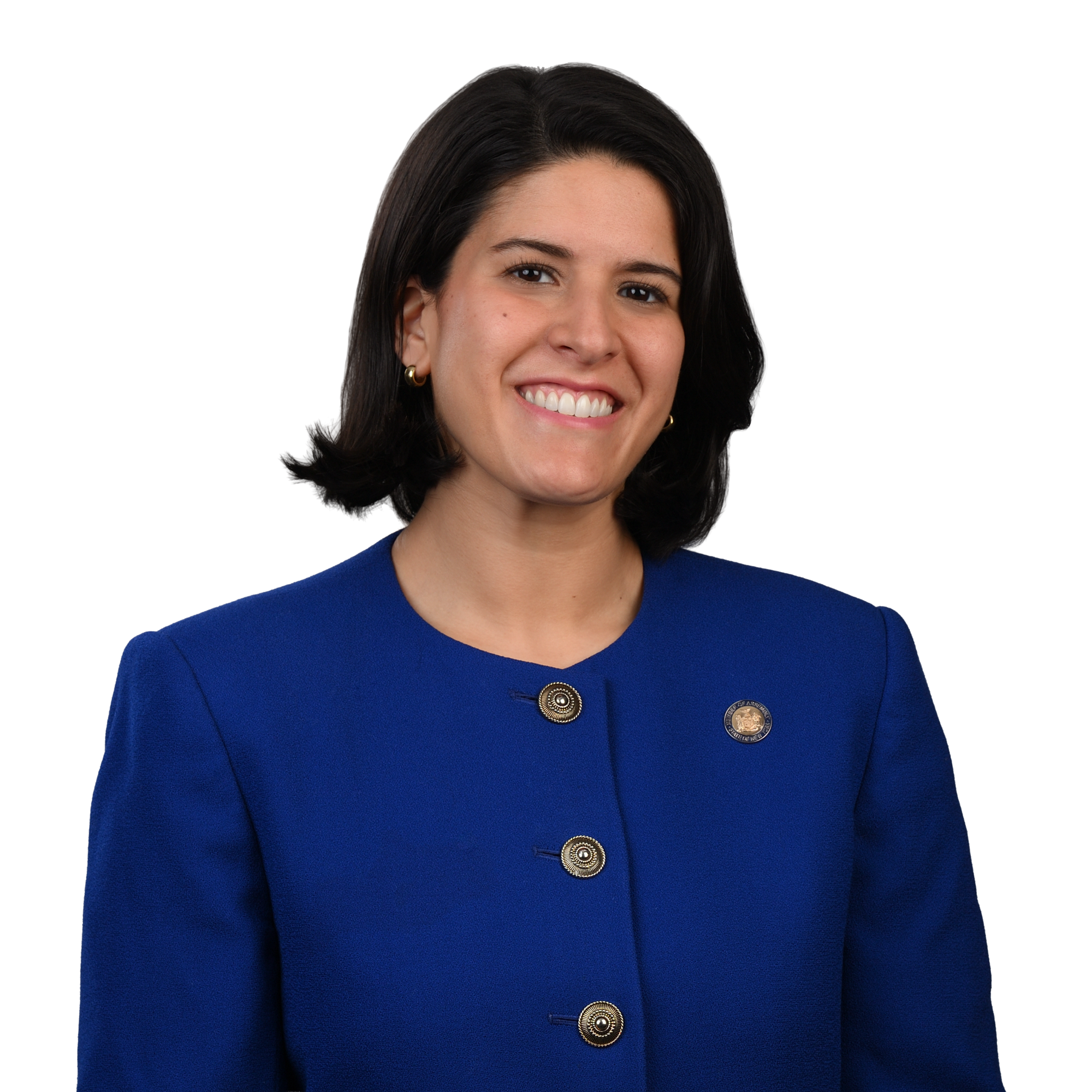
Romero Plea Bargain Bill Passes Legislature
Albany, NY – Assemblymember Gabriella A. Romero (D, WFP–Albany, Guilderland, New Scotland) today announced the passage of bill A.10024, which provides courts and prosecutors with greater flexibility to resolve criminal cases through plea agreements that serve the interest of justice. This bill has now passed in both houses of the NYS Legislature.
Currently, mandatory minimum sentences limit the ability of judges and prosecutors to reach outcomes that reflect the full circumstances of a case, even when all parties agree that a different resolution would better serve the interest of justice. This bill creates a tailored process that allows courts and prosecutors to consider the unique facts of a case, the circumstances of the defendant, and the interest of victims and communities when reaching resolutions.
“As a former public defender, I know that every case is different and that true justice requires thoughtful consideration of the facts and circumstances before the court,” said Assemblymember Romero. “This legislation gives judges and prosecutors the ability to reach fair, individualized agreements, while maintaining transparency and accountability. By allowing this flexibility in plea agreements, we can promote outcomes that strengthen public confidence in our justice system and better serve our communities.”
“New Yorkers depend on a legal system that puts safety, fairness and justice first,” said Senator Zellnor Myrie. “This bill would grant prosecutors and courts more flexibility in determining whether a particular plea would be in the interest of justice, and accept a lower plea if they agree doing so would be fairer and more appropriate. I’m grateful to my colleagues who are standing up for a fairer criminal legal system while putting public safety first.”
“The District Attorneys Association of the State of New York (DAASNY) supports S8944/A10024," said Mary Pat Donnelly, Rensselaer County District Attorney and President of DAASNY. "The bill provides a mechanism for prosecutors and courts, in the interest of justice, to allow certain defendants guilty pleas to charges that are below the level that current plea-bargaining restrictions permit, and that would result in sentences that are below mandatory minimum state-prison sentences. The court, the People, and the defense would be able to agree in individual cases that a mandatory minimum would result in injustice. I see this as the exception and not the rule, which will allow us to apply factors unique to each case to achieve a just result.”
Thomas Gant, Community Organizer at Center for Community Alternatives (CCA) said, "CCA applauds the New York legislature for passing S.8944 / A.10024, an important step toward ending the injustice of mandatory minimum sentencing in New York. For too long, draconian sentencing laws have tied judges’ hands, stripped courts of discretion, and forced outcomes that ignore the facts of a case, the circumstances of a person’s life, and the interests of justice. This bill affirms a basic principle: justice requires individualized assessment, and courts must be able to consider the full context of a case and the full humanity of the person being sentenced. But mandatory minimums and the failed policies of the 1970s remain deeply embedded in New York’s sentencing code, continuing to drive excessive punishment and devastating harm in communities across the state. We urge the Legislature to build on today’s momentum by passing the Marvin Mayfield Act and finally eliminating mandatory minimum sentences once and for all.”
“New York’s current sentencing laws are a product of a bygone tough-on-crime era that put punishment over true accountability,” said Insha Rahman, President of the Vera Institute of Justice. “Today, in 2026, we know so much more about what works to deliver safety and accountability – and justice. Giving the courts discretion to avoid some mandatory minimum prison sentences when all parties have agreed allows prosecutors and judges to consider each case on the individualized circumstances of the crime. Instead of seeking amends through incarceration as the only option, an individual can be held accountable through treatment, programs, and community-based interventions. The best investment in safety is giving individuals the tools to turn their lives around and prevent future crime.
“For years, New Yorkers have been asking their legislature to address extreme sentences. We applaud Assemblymember Gabriella Romero and Senator Zellnor Myrie for championing this bill along with Speaker Carl Heastie and Majority Leader Andrea Stewart-Cousins for bringing this commonsense reform to a vote. We also commend the District Attorneys Association of the State of New York, the Office of Court Administration, and the Legal Aid Society for their support. We look forward to continuing to work together on more change to our outdated sentencing laws.”
Official Statement from the Unified Court System: “The Unified Court System supports S.8944 (Myrie)/A.10024 (Romero). This legislation allows criminal trial courts, with the consent of both the prosecution and defense, to waive certain statutory plea and sentencing requirements when the court independently determines that doing so serves the interests of justice. By giving courts limited, consensual flexibility to address the specific facts and circumstances of a case, the bill promotes a more efficient and fair criminal justice system for all stakeholders.”