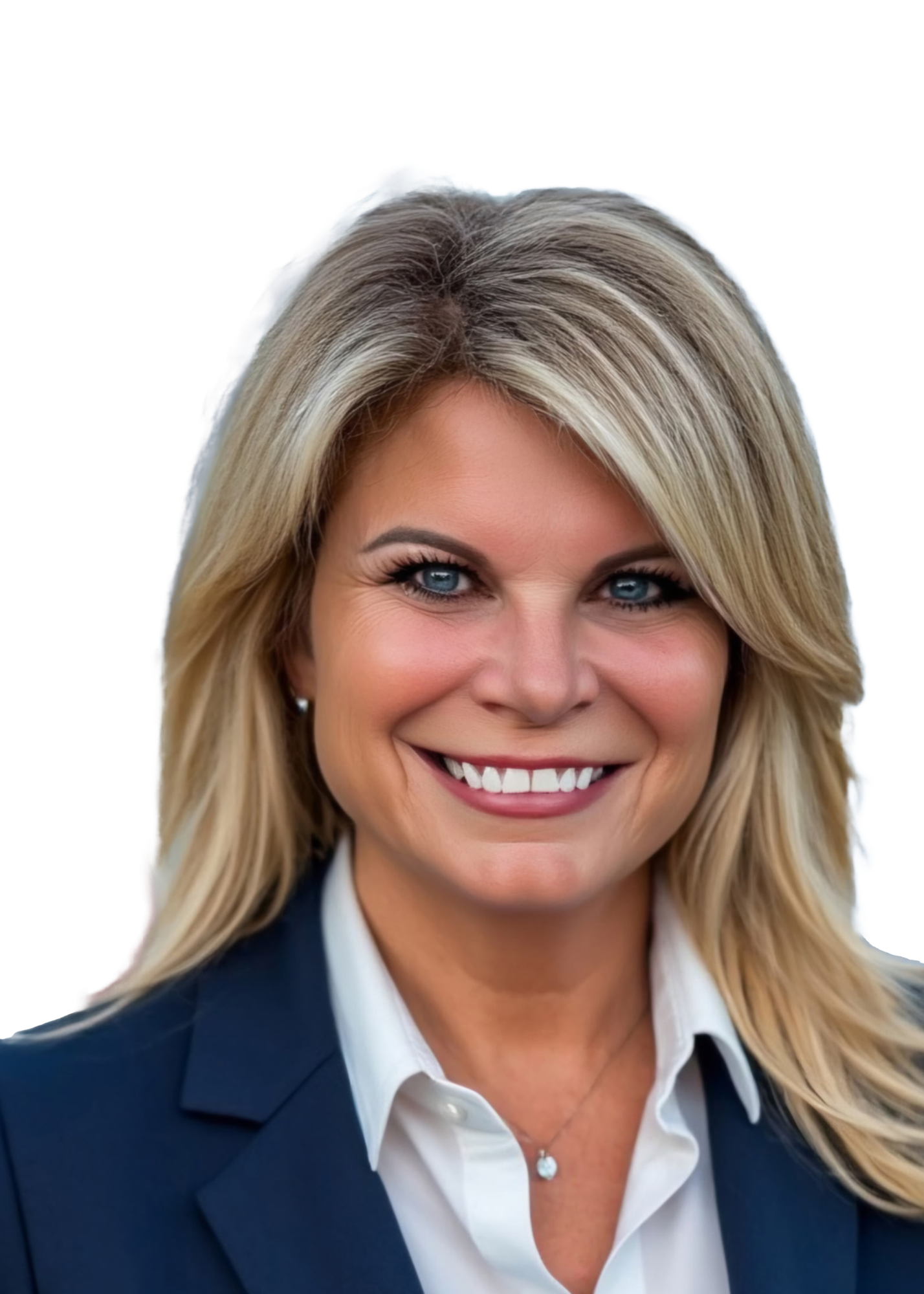
Giglio Emphasizes Economic Impact of Child Care Instability
Assemblywoman Jodi Giglio (R,C-Riverhead) today joined lawmakers, child care providers and parents in Albany, highlighting the disproportionate impact of disruptions in New York’s Child Care Assistance Program (CCAP), as funding shortfalls force counties to pause new applications.
According to Giglio, expanded eligibility has allowed more families to access child care assistance. However, insufficient funding has led to growing instability, including application freezes and interruptions in care.
“Child care is essential to a strong workforce and a healthy economy,” said Giglio. “When parents are forced to cut back hours or leave their jobs due to lack of care, it affects not only families but businesses and local economies as well.”
These challenges are particularly difficult in areas where child care options are already limited, leaving families with few alternatives when assistance becomes unavailable. This becomes a burden on parents who have to take more time away from their jobs in order to look after their children during the week.
Giglio also joined her colleagues in calling for a more stable and sustainable approach to funding the program.
“We must ensure funding keeps pace with demand so families can rely on this program without fear of sudden disruptions,” Giglio added. “At the same time, providers need consistency and support so they can continue serving their communities without worrying about sudden drops in enrollment.”
She also reaffirmed support for the Assembly Minority Conference’s “A Blueprint for Child Care (ABC) Plan,” which prioritizes affordability, access and long-term support for child-care providers across New York.
Some of the specific proposals in the ABC Plan include:
- Expanding and enhancing existing tax credits to lower out-of-pocket child care costs for working families.
- Increasing incentives to support child care providers and encourage the creation and expansion of facilities.
- Exploring targeted tax relief options at both the state and local level to reduce operating costs for providers.
- Strengthening and modernizing Universal Pre-k programs to improve funding, flexibility and coordination with childcare providers.
- Promoting flexible child care models, including non-traditional hours, to better meet the needs of working families.
- Reducing regulatory barriers that limit the creation and expansion of child care providers
- Supporting innovative solutions to increase provider capacity and parental choice.