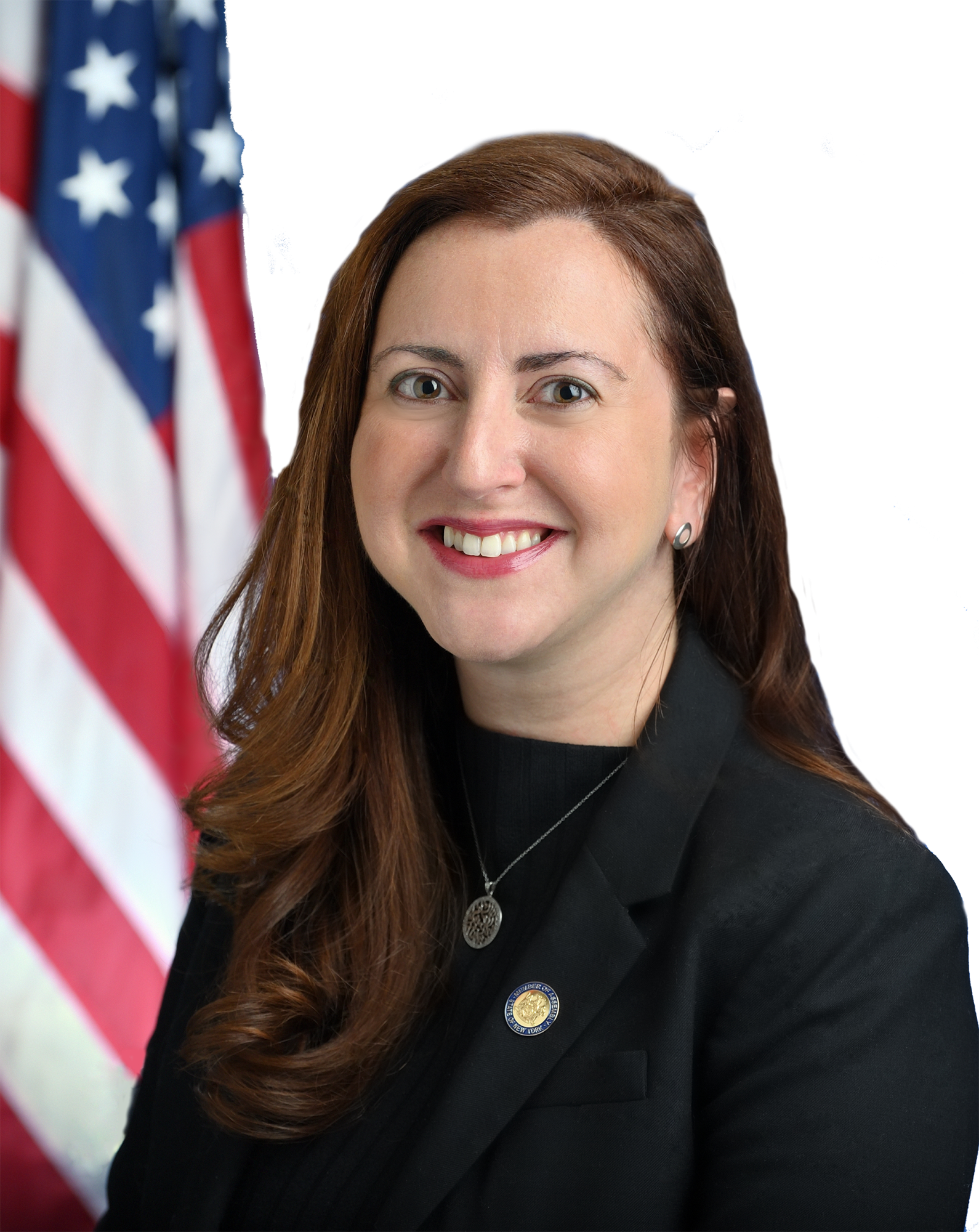
NY Lawmakers and Common Sense Media Demand Passage of Online Protections for Children
New York, NY – Common Sense Media, lawmakers, and advocates called for legislation to protect children from online harm to be included in New York State’s Fiscal Year 2027 budget. Senators Kristen Gonzalez and Andrew Gounardes, Assemblymembers Alex Bores, Nily Rozic, and Phil Steck spoke to the importance of including their bills, the Prohibition of Unsafe Chatbot Features for Minors (S9051/A10379) and The Stop Online Predators Act (SOPA) (S4609/A6549), in the State’s budget to address concerns over young people’s safety online.
The rise of AI chatbots and social media with private messaging features presents concerns for children navigating these new environments. These bills build on Governor Hochul’s budget proposals and would prevent minors from engaging in private messages or financial transactions with strangers and interacting with material that promotes self-harm, substance abuse, or sexually explicit content.
Lawmakers, parents, children, and advocates from Common Sense Media, Parents Rise, Mothers Against Media Addiction (MAMA), NAMI New York, and the New York Mental Health Practitioners will make the case that New York must act now to further protect young people from the growing dangers they face online from AI companions, gaming sites with chat features, and other risks from social media.
The Prohibition of Unsafe Chatbot Features for Minors (S9051,Gonzalez/A10379, Bores), would prohibit AI chatbots from offering their services to minors when the technology contains certain unsafe features, such as promoting self-harm, eating disorders, or stimulating companionship by personifying the chatbot as “real.” The bill was developed in partnership with the Office of New York State Attorney General Letitia James and Common Sense Media. Last month, Character.AI and Google settled several lawsuits pertaining to their chatbots being used by minors, in seemingly dangerous and, in some instances, fatal ways. This chatbot legislation features the most current research on AI companions and their impacts on young users.
The Stop Online Predators Act (S4609A, Gounardes/A6549, Rozic), would limit how strangers can interact with minors on gaming platforms with private chat functions, like Roblox and Discord, restrict direct messaging, profile visibility, and financial transactions between strangers and minors. Governor Hochul’s executive budget proposals included some of these provisions already.
New York State Attorney General Letitia James said, “I am proud to work together with the legislature to protect New York’s youth from the harms of AI chatbots. We have already seen too many incidents across the country where children were harmed, or worse, due to the influence of these bots. This bill provides commonsense restraints that will prevent tech companies from hurting our kids, and New York will continue to lead the nation in standing up for youth mental health and keeping children safe online.”
Senator Kristen Gonzalez said, “Today’s generation of children are facing an unprecedented threat of exploitation from Big Tech companies introducing products with no oversight. As legislators, it is our responsibility to enact laws that ensure young people cannot be taken advantage of or exposed to potentially dangerous technology. My bill with Assemblymember Bores would prevent chatbots from promoting self-harm, eating disorders, or sexually explicit activity when engaging with people under the age of 18. This is a common sense measure to keep kids safe while they use the latest technology. I am proud to work with students, concerned families, and advocates on this legislation and encourage Governor Hochul to include this measure in the State Budget.”
Senator Andrew Gounardes said, “It's the simplest thing in the world: kids should be able to play games online without fear of abuse, but too many online platforms have let their predator problem fester. If Big Tech won't act to protect kids, we will. My Stop Online Predators Act requires basic privacy safeguards to keep kids safe from adults who wish them harm. It creates a safer, better internet for all of us. Thanks to Common Sense Media for their partnership and tireless advocacy on behalf of our children."
Assemblymember Alex Bores said, “It's pretty simple – chatbots companies shouldn't offer unsafe features to children. Children are spending more and more of their time talking to chatbots, and the results can be horrifying. I am proud to sponsor legislation with Senator Gonzalez that prohibits companies from offering chatbots that encourage suicidal ideation, develop inappropriate relationships with children, and more.”
Assemblywoman Nily Rozic said, “Too often, platforms fail to put common-sense safety protections in place, leaving families to shoulder the risk. The Stop Online Predators Act takes important steps to shift that responsibility back where it belongs, giving parents more control and strengthening protections for kids online. I’m grateful to my colleagues in government, Common Sense Media, parents, and advocates who continue to fight to keep our children safe.”
Liz Foley, Senior Director for Advocacy Campaigns at Common Sense Media, the non-profit kids online safety organization that organized today's Day of Action said, "Dozens of parents, teenagers, educators, mental health experts and other advocates delivered a clear message today in Albany - New York is a national leader in protecting kids online but there is more work to do, and we need to get it done now. When it comes to social media, gaming sites, online gambling, and unsafe AI, New York families need to know that our governor and our state lawmakers will continue to be on their side, and to use their power to hold tech companies accountable for making the internet healthier and safer for all of our kids. We appreciate their leadership and we look forward to another winning year in New York for kids and families."
Muna Heaven, Mothers Against Media Action, Harlem Chapter said, “For parents, the safety of our children online is anything but a game.”
Nathan Thoma, PHD, Clinical Associate Professor of Psychology at Weill Cornell Medical College said, “If Big Tech used their algorithms to hack our attention with social media, now, with the companion-like features of AI chatbots, tech companies are going for something deeper: they are hacking the human attachment system. And they are manipulating and derailing our children’s development in the process. Let's not wait like we did with social media. Mental health professionals agree: now is the time to limit dangerous AI companion features when it comes to kids.”
Mary Rodee, Survivor Parent said, “Parents can’t outrun this. Teachers can’t out-teach this. And Congress has shown it won’t regulate this. That’s why New York’s action is historic. These bills force platforms to stop strangers from messaging kids, stop dark patterns, verify age, and respond to law enforcement. This is real accountability – and it’s long overdue.”
Julianna Arnold, Founding Member and Executive Director, Parents RISE! said, “Four years ago today my 17-year-old daughter, Coco, was online where a predator was able to reach her, groom her, and sell her a fake prescription pill through platforms that were never designed with children’s safety in mind. She died of fentanyl poisoning. What happened to her is not an isolated tragedy, and it reflects a system that allows adults to easily contact, manipulate, and exploit children online. The Stop Online Predators Act is a common-sense step toward changing that by requiring stronger safeguards for minors and placing responsibility where it belongs: on the companies that design these products.”