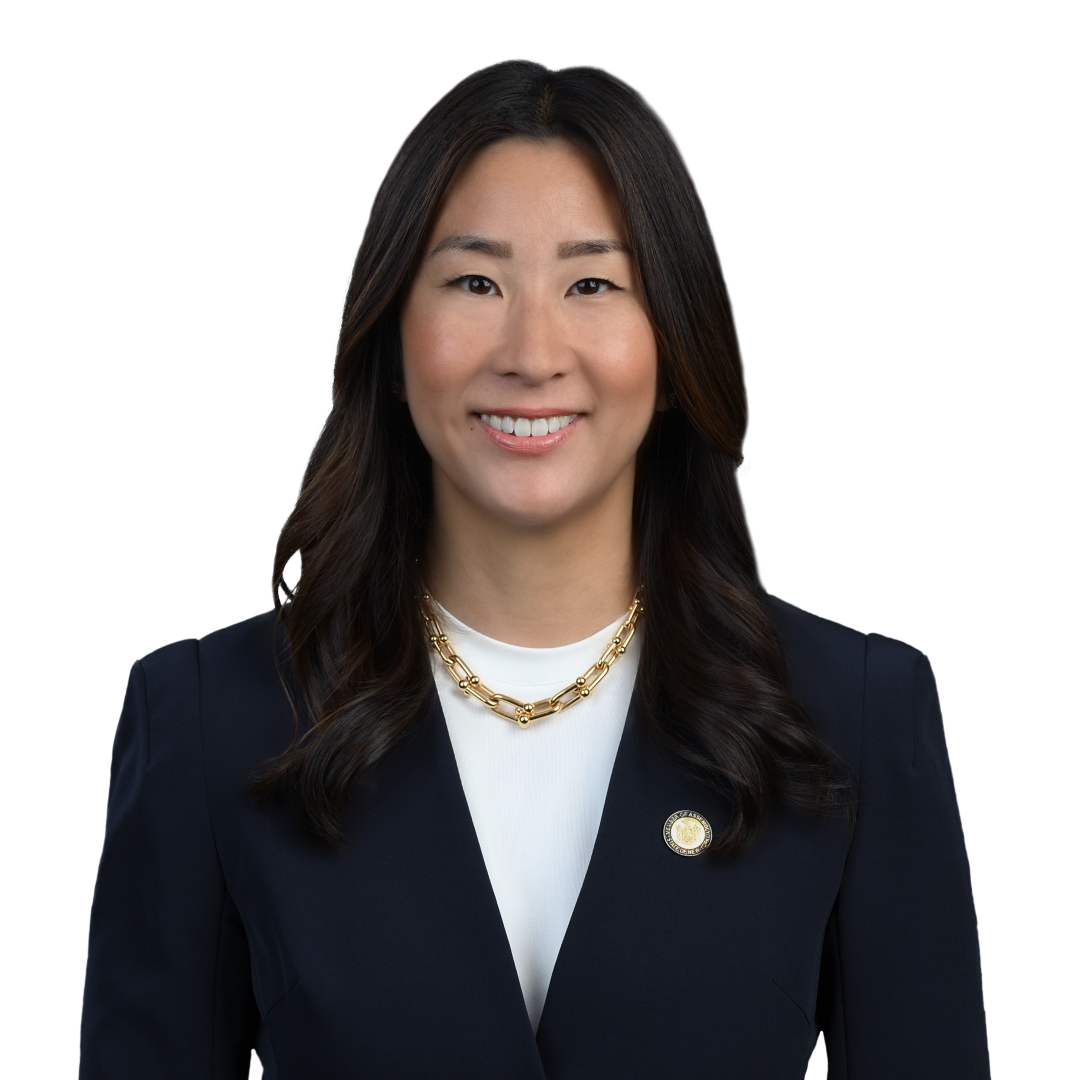
New York State Legislature Passes Legislation to Protect New York’s Drinking Water
Albany, NY – Assemblymember Grace Lee and Senator Brian Kavanagh today announced the passage of A8634B/S3207B, legislation that sets strong, science-based limits on PFAS, toxic “forever chemicals,” in New York’s drinking water.
The bill comes as the Trump administration moves to weaken federal protections against PFAS contamination, including proposals to roll back limits on several PFAS chemicals and delay compliance deadlines for others. With federal safeguards under attack, New York is stepping up to protect families and ensure that every New Yorker can trust the water coming out of their tap.
PFAS are a class of chemicals linked to serious health harms, including cancer, thyroid disease, immune system impacts, and developmental risks. Known as “forever chemicals,” PFAS persist in the environment and can build up in the human body over time.
A8634B/S3207B requires the New York State Department of Health to lower the existing maximum contaminant levels for PFOA and PFOS to no higher than 4 parts per trillion and establish limits of no higher than 10 parts per trillion for PFNA, PFHxS, and HFPO-DA, also known as GenX. The legislation also requires the Department of Health to report on what additional protections are needed to address cumulative exposure to multiple PFAS chemicals.
“New Yorkers should not have to wonder whether their tap water is safe,” said Assemblymember Grace Lee, sponsor of A8634B. “At a time when the Trump administration is rolling back protections and putting public health at risk, New York is making clear that we will follow the science and protect our communities. PFAS are toxic, persistent, and dangerous, and this legislation is a critical step toward keeping forever chemicals out of our drinking water. I am grateful for the partnership with Senator Brian Kavanagh, Environmental Advocates, New York League of Conservation Voters and others to ensure cleaner drinking water for all New Yorkers.”
"As the Trump administration rolls back critical federal protections, we are once again stepping up to keep New Yorkers safe. This legislation continues our state’s legacy of environmental leadership – setting strong, science-based limits on PFAS chemicals that have no place in our drinking water. I’m proud that Assemblymember Grace Lee and I were able to work with environmental advocates and public health officials to pass this essential bill, and I urge Governor Kathy Hochul to sign it into law,” said Senator Brian Kavanagh, prime sponsor of S3207B.
“With the US EPA rolling back drinking water standards and abandoning its mission to safeguard our health, we are thrilled that the State Legislature has passed a bill to maintain science-based protections against toxic PFAS chemicals," said Rob Hayes, Senior Director of Clean Water with Environmental Advocates NY. “The science is clear: PFAS ‘forever chemicals’ are deadly poisons that don’t belong in our drinking water. We applaud Assemblymember Lee and Senator Kavanagh for sponsoring this legislation to keep New Yorkers safe when they turn on the tap, and we look forward to the Governor signing it as soon as possible.”
"With the federal government rolling back critical limits on PFAS in drinking water, the legislature is stepping up to protect New Yorkers. This bill ensures that the health-based standards the EPA finalized in 2024 remain the law of the land in New York because New Yorkers deserve safe drinking water regardless of what happens in Washington. NYLCV applauds Senator Kavanagh and Assemblymember Lee for championing this bill. Now, it’s time to get this across the finish line," said Julie Tighe, President of the New York League of Conservation Voters.
PFAS contamination has affected communities across New York and the country, with chemicals entering drinking water through industrial releases, contaminated sludge, landfill leaching, and firefighting foams. The passage of A8634B/S3207B ensures New York will continue moving forward to protect residents from these dangerous chemicals, regardless of federal rollbacks.
The bill now heads to the Governor’s desk.